Favorites0 items in wishlist
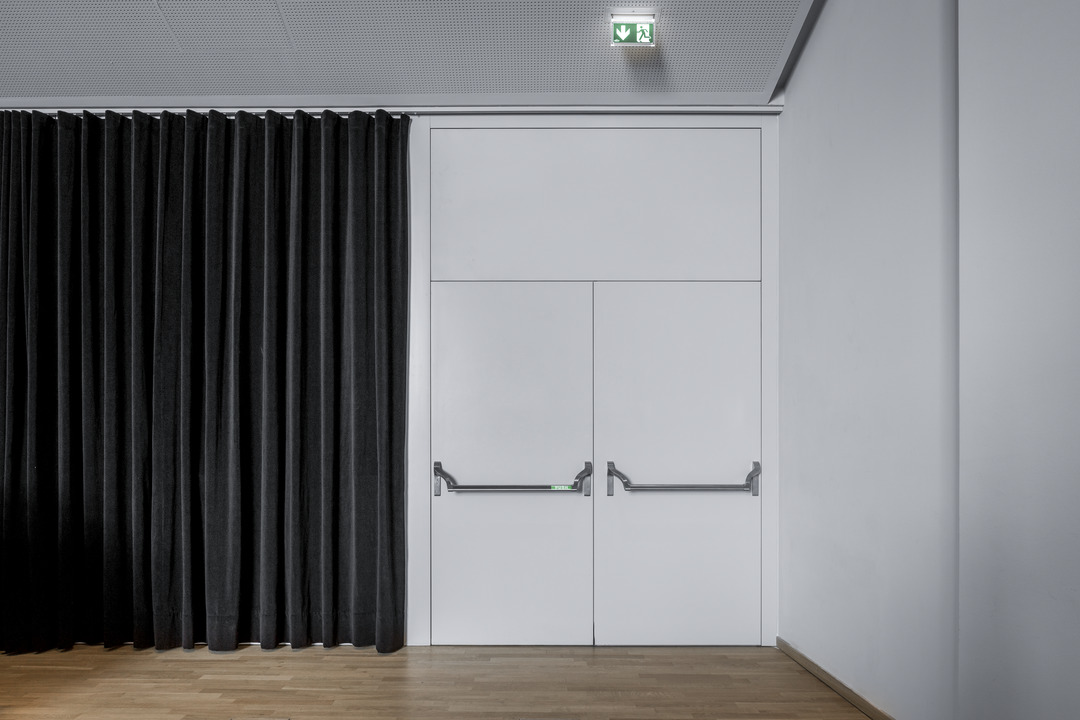
Panic and emergency exits are essential components of escape and rescue routes, ensuring that people can leave a building safely and without obstruction in an emergency – even in the event of fire, smoke, power failure, or stressful situations.
The systems from the Lindner Group combine safety, functionality, and accessibility. Our door elements can be tailored to suit individual building structures and usage requirements, meeting all relevant European standards. This creates a well-considered escape route concept that reliably protects people – in public and residential buildings as well as in commercial facilities.

Panic and emergency exits must always be freely passable and able to be opened easily, even under pressure on the door leaf – for example, during heavy crowds.
Depending on the area of application, our doors are fitted with tested hardware and locking combinations in accordance with DIN EN 179 (emergency exit devices) or DIN EN 1125 (panic exit devices).

All systems are tested, certified, and CE-marked as complete units, comprising the lock, fittings, and accessories. The designs allow for intuitive operation with minimal effort and ensure long-term, reliable functionality.

Our solutions are precisely tailored to the place of use – from schools and hospitals to airports and manufacturing facilities. On request, our doors can be combined with fire protection, smoke control, or access control functions, seamlessly integrating into existing architectural and security concepts.
Lindner systems for panic and emergency exits provide tested safety in every situation. The doors remain easy to operate even under heavy pressure or during panic reactions, allowing unobstructed escape. All products are tested and documented in accordance with the harmonised European standards DIN EN 179 and DIN EN 1125. Regular maintenance and proper documentation ensure long-term functionality. Furthermore, our systems meet all regulatory requirements regarding width, operability, and signage of escape routes.
This results in reliable evacuation solutions that combine protection, technology, and compliance with excellent design.

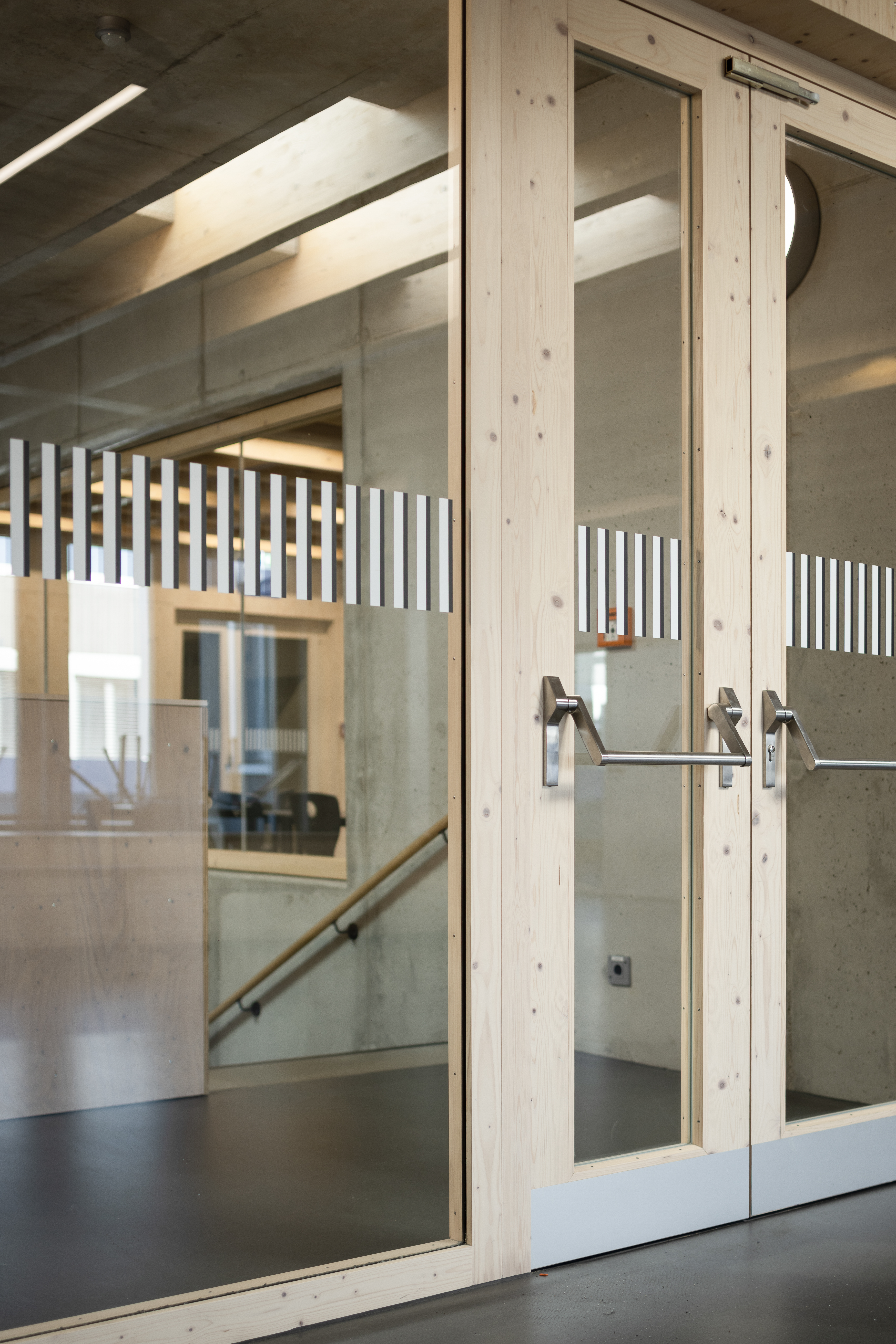
Lindner panic and emergency exit doors stand out for precise manufacturing, high-quality durable materials, and attractive design. They provide safety without compromising on appearance.
Quality features at a glance:
Safety that integrates unobtrusively – but is crucial when it matters most.

The choice of the correct locking system depends on the building’s use and the requirements of the escape route:
Emergency exit devices (DIN EN 179)
Used in areas without public access, where users are familiar with the operation – for example, staff or secondary exits and residential buildings. Handles or push plates are permitted, allowing the door to be opened with a simple hand movement. The lock, fittings, and accessories must be tested and certified as a complete unit.
Panic exit devices (DIN EN 1125)
Mandatory for public buildings such as airports, shopping centres, hospitals, cinemas, schools, or administrative offices. These employ push bars (Type A) or panic bars (Type B), which ensure safe opening with minimal effort even under pressure (preload).
Both standards have been harmonised across Europe since 2003 and are part of German building regulations. They define requirements, test procedures, and CE marking – the specific design of the escape route is the responsibility of the building owner in consultation with the relevant building authorities.
Research and Development