Favorites0 items in wishlist
Military properties, government buildings, data centers, and defence industry facilities are potential targets of targeted, professionally prepared attacks – not only from opportunistic offenders, but also from actors willing to invest significant technical effort and time.
The Lindner Group develops burglary- and attack-resistant systems designed precisely for this elevated threat level: certified resistance against coordinated, sustained attack attempts – combined with the architectural flexibility that representative government and defence buildings also require.

Our burglary- and attack-resistant systems are tested according to DIN EN 1627 and cover resistance classes up to RC6. For facilities in the defence and security sector – barracks, embassies, courthouses, or data centers – the higher resistance classes are typically used, capable of withstanding the use of power tools and coordinated attack attempts. Consistent quality assurance – from requirements analysis through implementation to retrofitting – ensures our solutions remain reliable throughout the entire lifecycle of the building.

Burglary- and attack-resistant doors form the first physical barrier against unauthorized entry – particularly at security-relevant access points such as guardhouses, checkpoints, or security areas. The Lindner Group offers doors in various resistance classes (e.g., RC2 to RC6), individually tailored to the respective threat scenario. They can be equipped with mechanical or electronic locking systems and additionally combined with access control, panic function, or escape route technology – meeting the security requirements typically demanded by military and government clients.

A security concept is only as strong as its weakest component. That's why we fully integrate windows, façade, and wall elements alongside doors into the overall protective effect. Especially in the defence sector, threats rarely occur in isolation – which is why our burglar-resistant systems can be specifically combined with additional protective functions such as bullet resistance or explosion protection. The result is integrated security solutions that comprehensively protect people, information, and assets – without limiting architectural design freedom.
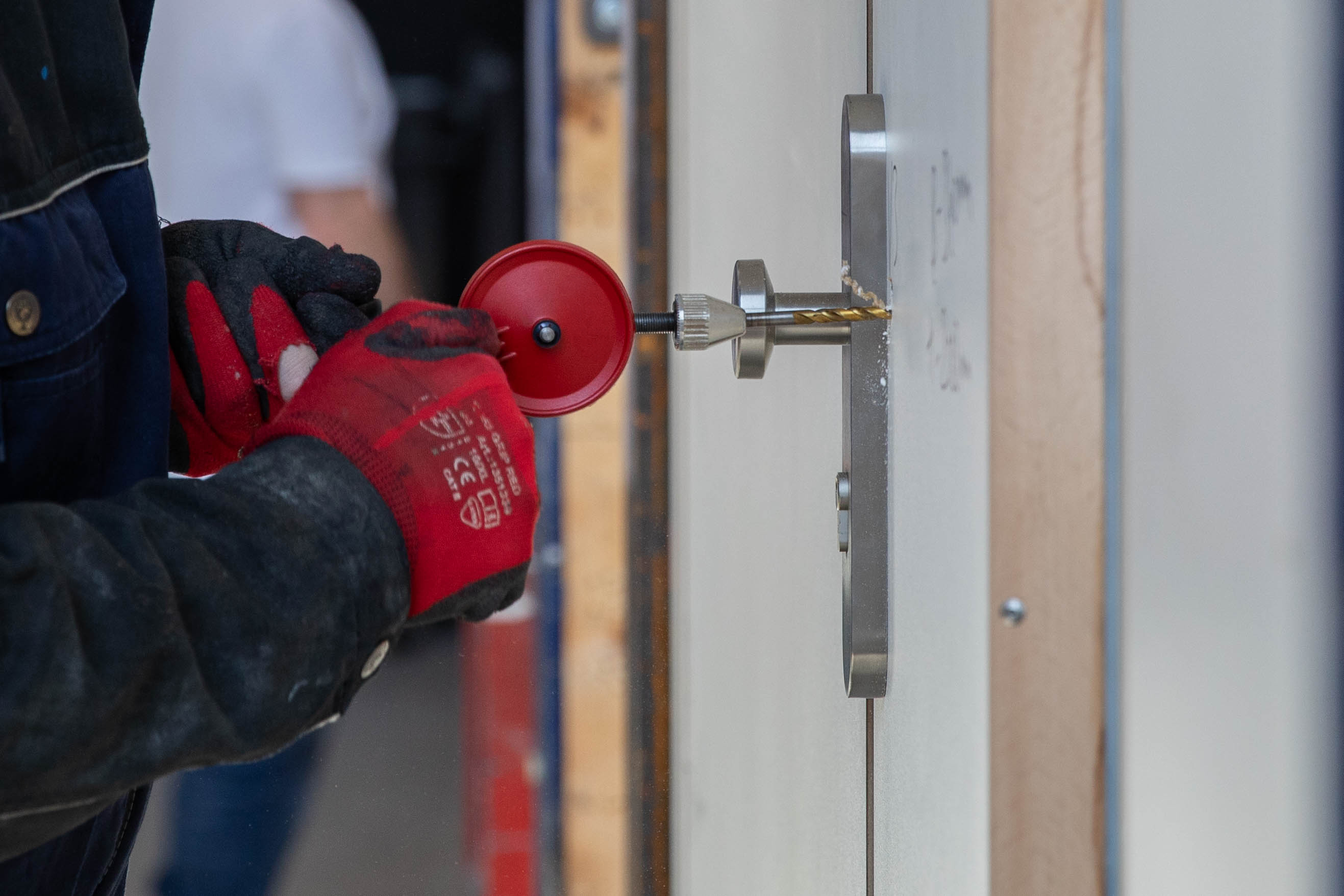
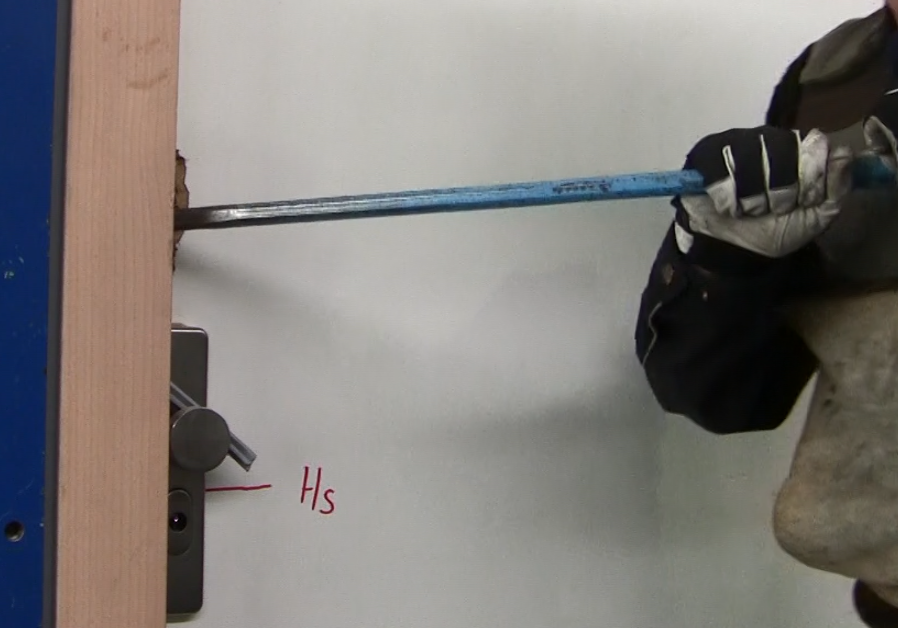
Our burglary- and attack-resistant doors withstand massive attacks – even with heavy-duty tools such as saws, crowbars, bolt cutters, or axes, our doors cannot be breached. Tests according to DIN EN 1627 confirm effectiveness under realistic attack conditions. Thanks to sturdy construction, reinforced fittings, and innovative locking systems, they provide a reliable barrier at access points where every second counts.
Optional features such as door viewers, bolt monitoring contacts, or self-locking mechanisms round off the security concept – tailored to the requirements of security personnel and access control systems.

Lindner Group's burglary- and attack-resistant doors impress with both certified protective performance and high-quality workmanship. Security doesn't have to come at the expense of design – our solutions combine certified robustness with the functional requirements of security-critical buildings.
Quality features at a glance:

Further expertise in security infrastructure
Lindner Group's burglary- and attack-resistant systems are used in barracks and military properties, embassies, courthouses and government buildings, data centers and critical infrastructure facilities, as well as defence industry sites.
Resistance classes RC1 to RC6 according to DIN EN 1627 reflect typical attack scenarios – from opportunistic offenders using simple tools to professionally equipped attackers using heavy equipment. Our systems are tested under realistic conditions, meet the highest standards, and take into account not only doors and windows but also adjoining components such as walls, joints, and connections. The result is a comprehensive security concept without weak points – a central component of our complete fit-out solutions for security-relevant buildings.