Building projects are becoming increasingly complex: rising costs, tight schedules, demanding sustainability requirements and a wide range of stakeholders increase the risk of planning errors, friction losses and inefficient workflows. At the same time, consistent and reliable data is often lacking – from design and construction through to operation.
This is precisely where Lindner’s digital solutions come in: they establish a consistent data foundation, enhance transparency and sustainably reduce risk. In doing so, they enable cost-effective project delivery that meets deadlines and quality standards – throughout the entire life cycle of a building.
For clients & investors
Cost certainty, reliable schedules, measurable sustainability
For planners & project teams
Clash-free design, transparent processes, reduced rework
For operators
Real-time energy and operational data, optimised maintenance
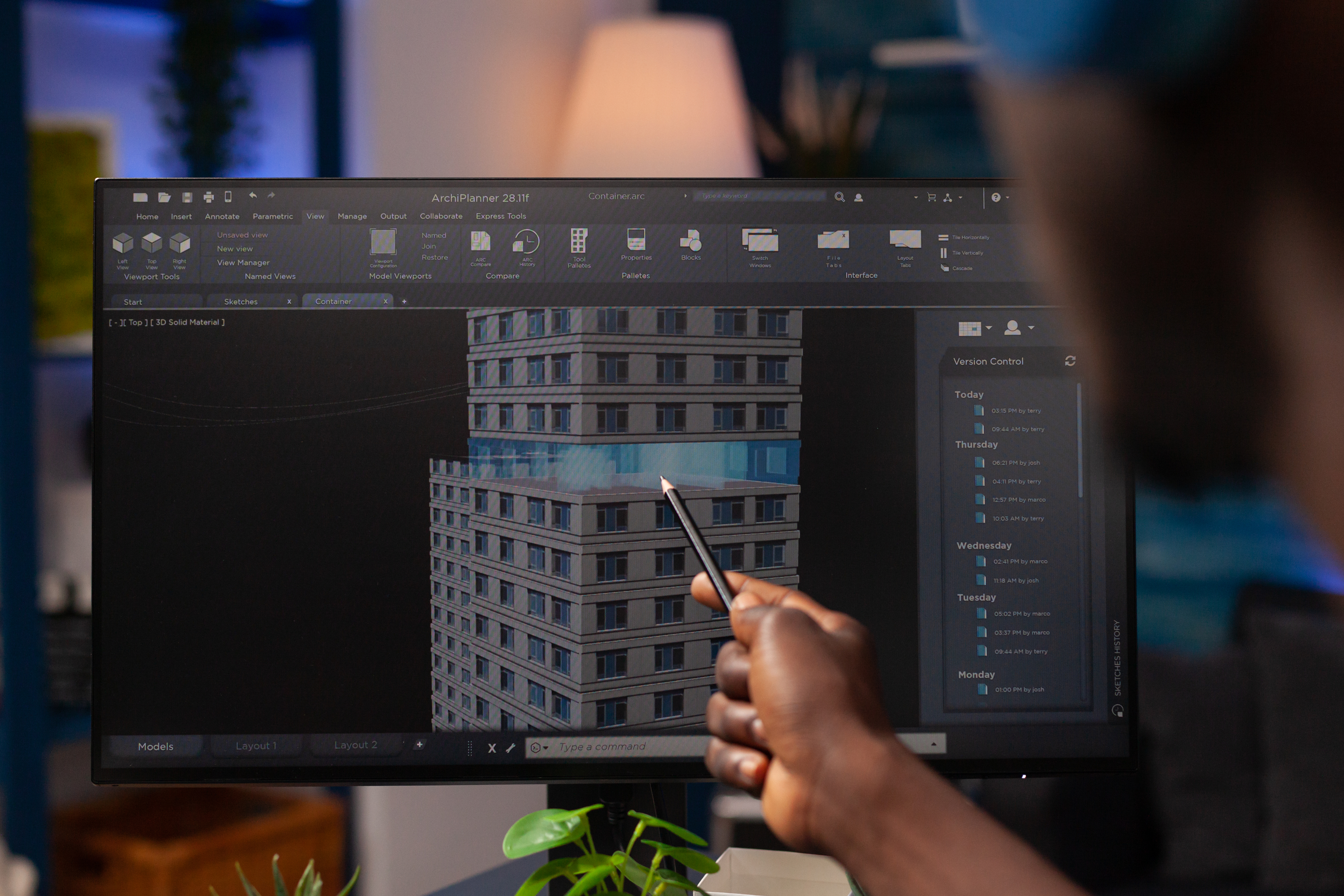
Building Information Modelling (BIM) creates a consistent, data-driven building model based on open IFC standards, in which all project-relevant information is consolidated. This enables conflicts between the architecture, structural engineering and building services to be identified as early as the design phase, reduces risks and facilitates informed decisions regarding costs, deadlines and quality. At the same time, the shared database promotes interdisciplinary collaboration and ensures maximum transparency throughout the project. This allows opportunities for optimisation to be identified at an early stage, improves the quality of planning, and establishes a consistent foundation for construction and operation.

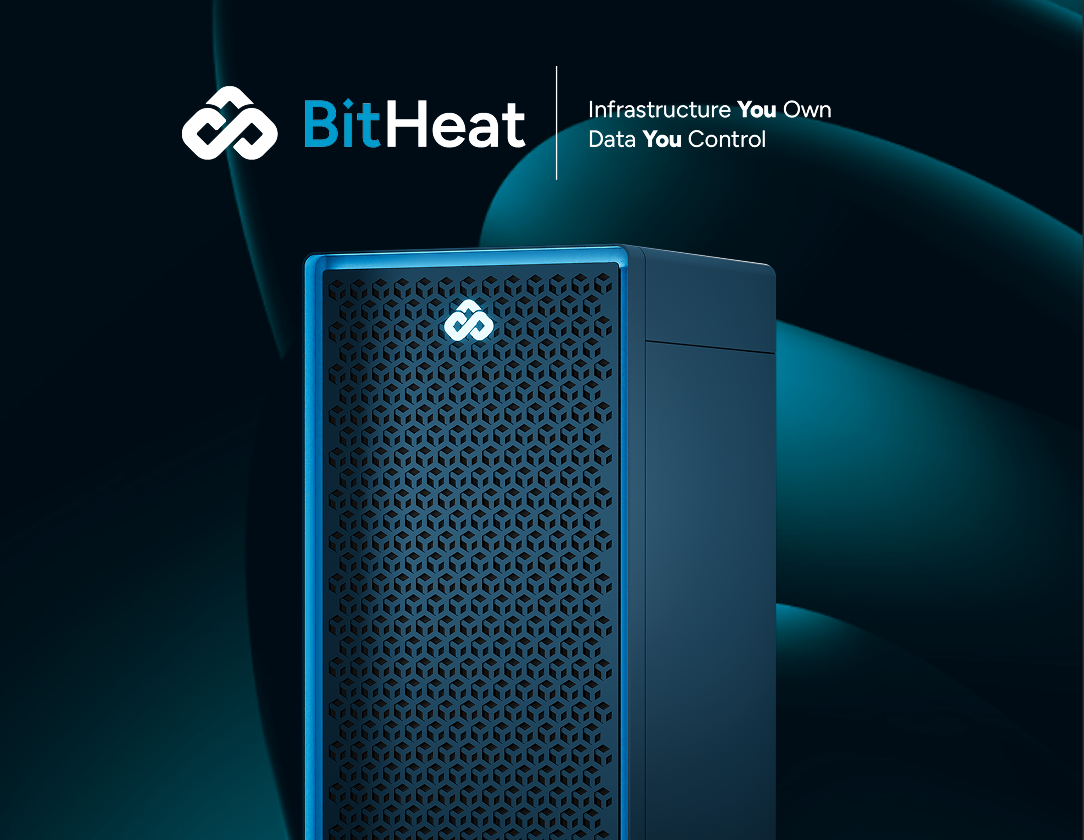
With the modular, energy-efficient edge cloud computing system BitHeat, energy and operational data are captured decentrally, analysed in real time and made available for ongoing building operations. Operators gain transparent insights into consumption, peak loads and savings potential, enabling them to systematically increase efficiency and sustainability. Through the seamless integration of IT and building technology (IT/OT), maintenance can be planned proactively, downtime and operating costs reduced, and energy efficiency requirements met more effectively. Continuous digital data capture and local storage also create a reliable foundation for refurbishments, investment decisions and long-term operational strategies.

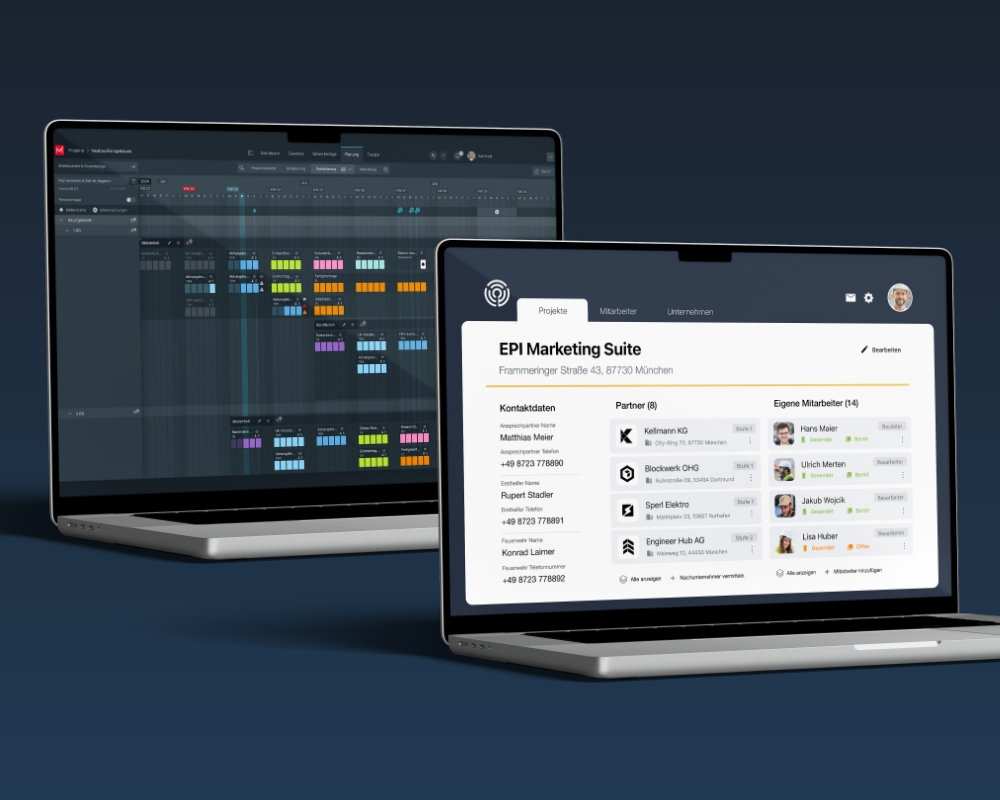
Digital platforms such as inGo and Metronom connect all project stakeholders – from internal teams and subcontractors to external partners – on a unified and traceable data platform. Coordination processes are significantly simplified, administrative effort is reduced and transparency across every project phase is ensured. Project managers and clients can monitor the status of tasks, resources and costs at any time, identify risks at an early stage and make decisions based on reliable data. At the same time, these digital platforms support collaborative working, increase efficiency and enable seamless documentation throughout all project phases.

Data has long been available in the construction industry – it simply does not reach the places where it is actually needed. Construct-X is changing that: as a government-funded research project focused on the digitalisation of the construction sector, it is developing an open, federated data space for secure, interoperable data exchange – without centralised data storage. The aim is to enable the consistent use of data throughout the entire construction process, allowing investments in planning, construction and operations to deliver significantly greater value in future, while embedding sustainability, resource conservation and energy efficiency as integral considerations. Lindner is an active project partner.

At Lindner, we understand that every building is unique. Our holistic approach combines technical expertise, decades of experience and state-of-the-art digital tools to make the entire building life cycle efficient, transparent and sustainable.
Our digital solutions support clients throughout every project phase:
Using Building Information Modelling (BIM), we create detailed 3D models that integrate all relevant data from architecture, structural design, building services and interior fit-out. This approach minimises planning errors, enables early simulation of processes and identifies optimisation potential in terms of cost, time and quality. The collaborative use of open IFC standards ensures that all stakeholders work on a shared data environment – maximising efficiency from the initial concept stage through to detailed design.
Digital lean methods make construction processes transparent and predictable. Step by step, waste is eliminated while material flows, installation sequences and scheduling are systematically optimised. Regular takt meetings, weekly look-ahead planning and practice-oriented process design ensure smooth workflows, high quality and maximum schedule reliability – even on complex construction projects.
With BitHeat, energy and operational data are captured decentrally and analysed in real time.
Our edge cloud solution integrates IT infrastructure directly into building systems, making operations energy-efficient, transparent and digitally controllable. Decentralised data processing within Europe, comprehensive security concepts and intelligent monitoring functions ensure buildings remain sustainable, secure and future-ready.
Our proprietary software solutions, inGo and Metronom, digitalise and simplify project control and subcontractor management. All stakeholders work on a unified, traceable platform – from planning through to handover. Processes become more efficient, transparent and comprehensible, administrative effort is reduced and overall project control is significantly enhanced.
Lindner’s digital solutions create tangible value throughout the complete building life cycle – from planning and construction to operation. They enable efficient project delivery, reduce risk, enhance quality and make buildings more sustainable and resilient. Clients benefit not only from measurable cost savings, but also from maximum transparency, control and predictability.