As the digital spin-off of the Lindner Group, tibe.io creates the foundation for connected construction process management. Developed from practical in-house requirements, our digital services connect all project stakeholders from planning through to execution – enabling transparent scheduling and legally compliant document management. Progress and resources are centrally managed in real time via the cloud. Open interfaces allow seamless integration into existing systems, ensuring greater efficiency, reliable project delivery and smooth collaboration across the entire value chain.
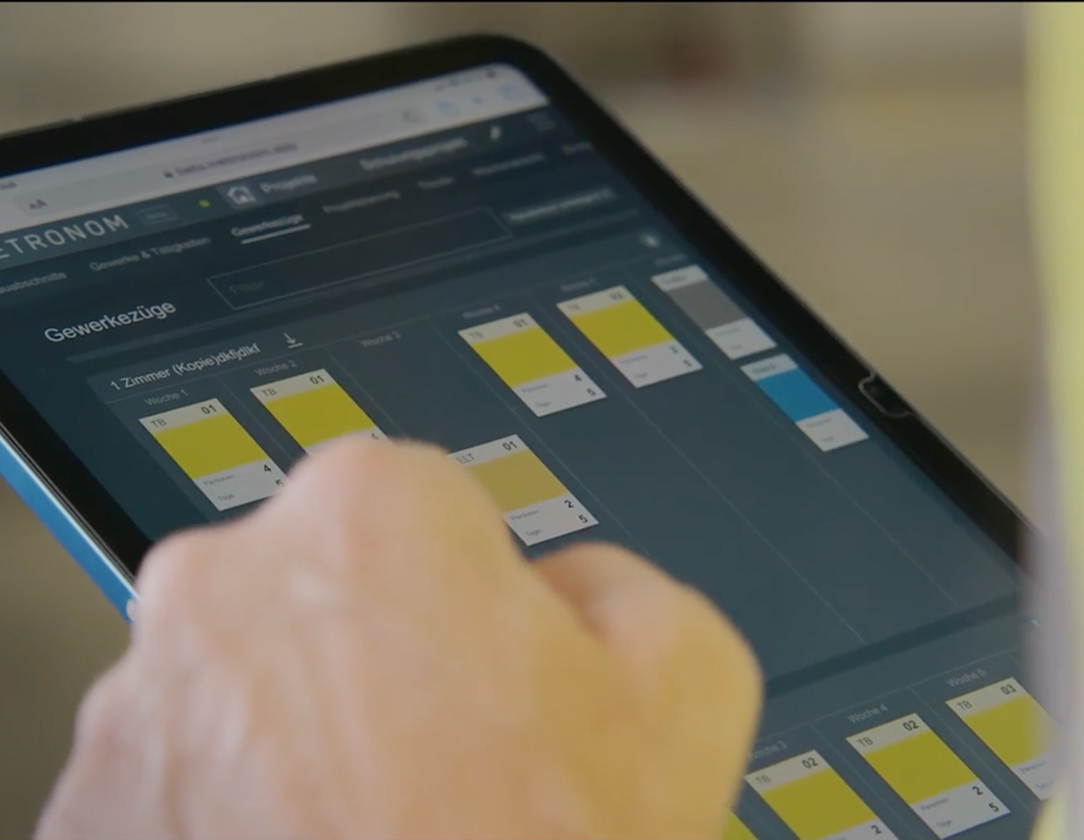
Metronom connects all project stakeholders through a shared digital schedule that makes progress and deviations visible in real time. From the earliest planning stages, it creates a common understanding of workflows, dependencies and responsibilities. Continuous progress monitoring allows schedules, resources and actions to be adjusted dynamically – ensuring stable processes, greater efficiency and maximum transparency throughout the entire project lifecycle.

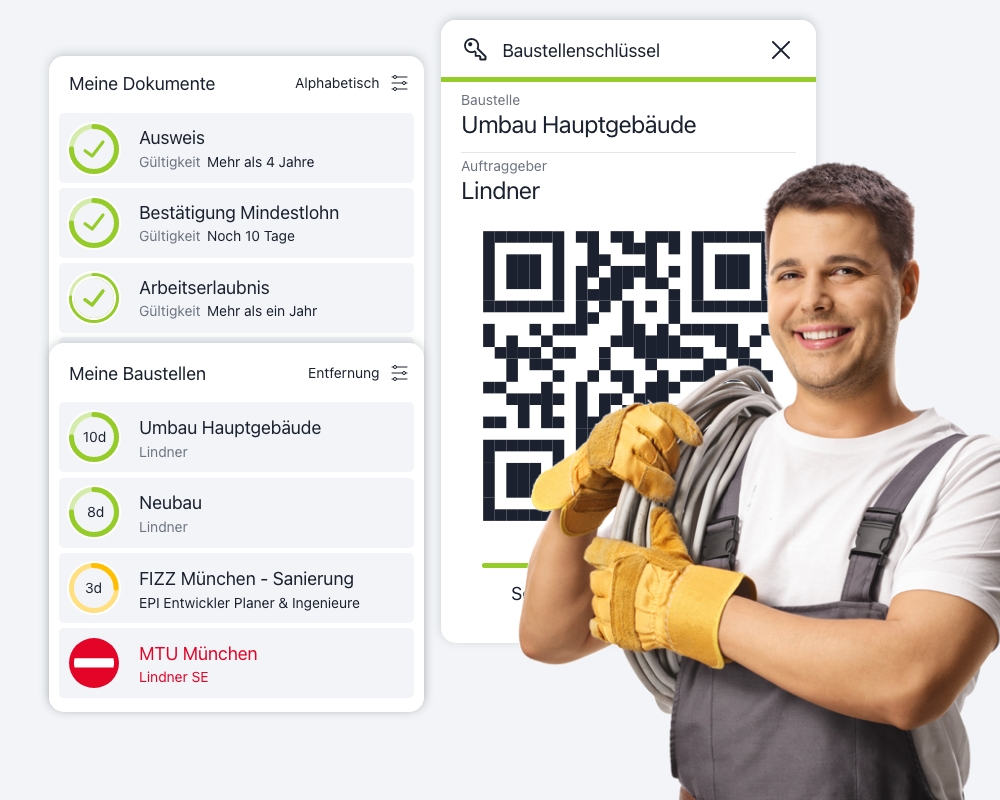
inGo is the digital platform for structured and legally compliant subcontractor management. It consolidates all relevant information, records and documents in one central location, ensuring clear processes and controlled access on site. Project stakeholders always have visibility of the status of documents, authorisations and deadlines, while automated notifications help identify and mitigate risks at an early stage. This creates transparent and secure workflows – without paper files and without time-consuming coordination efforts.