Favorites0 items in wishlist
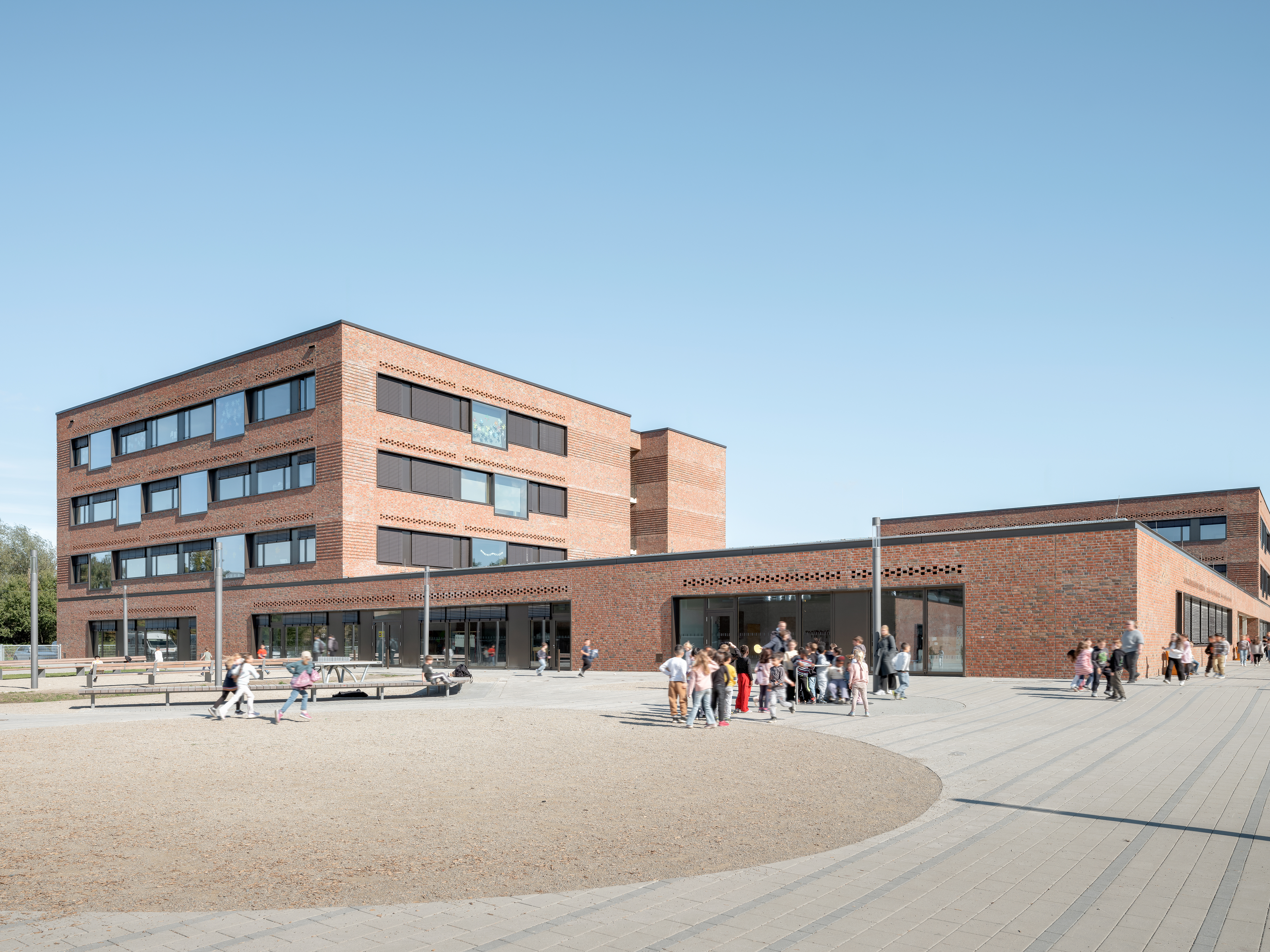
Within just four years, a remarkable construction project was realised in Bremerhaven: three new schools and two sports halls now provide space for around 1,750 children and young people in contemporary learning environments. The IPA project “3 Schools Bremerhaven” brings together architectural excellence, innovative educational concepts and state-of-the-art digital construction methods.
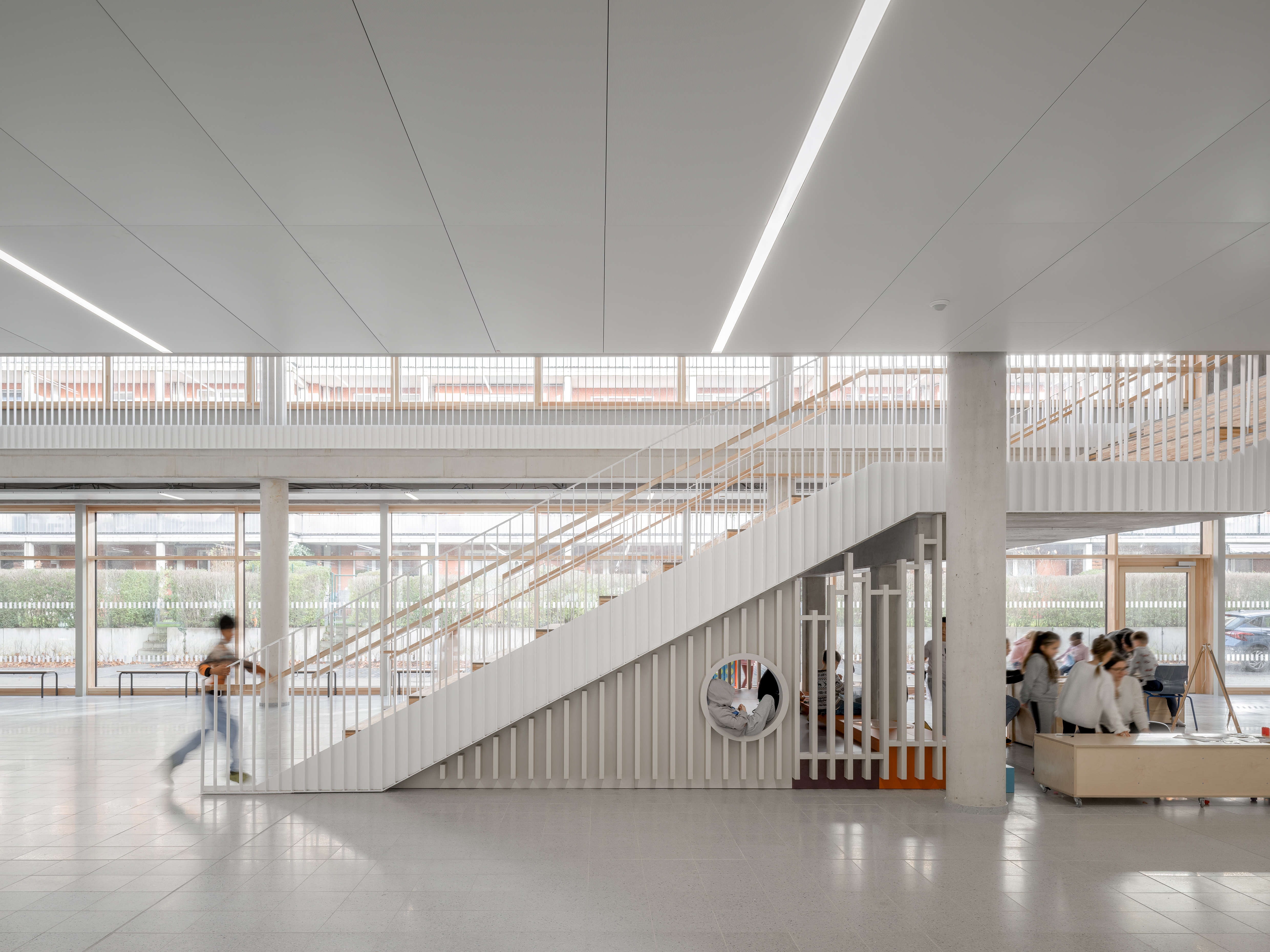
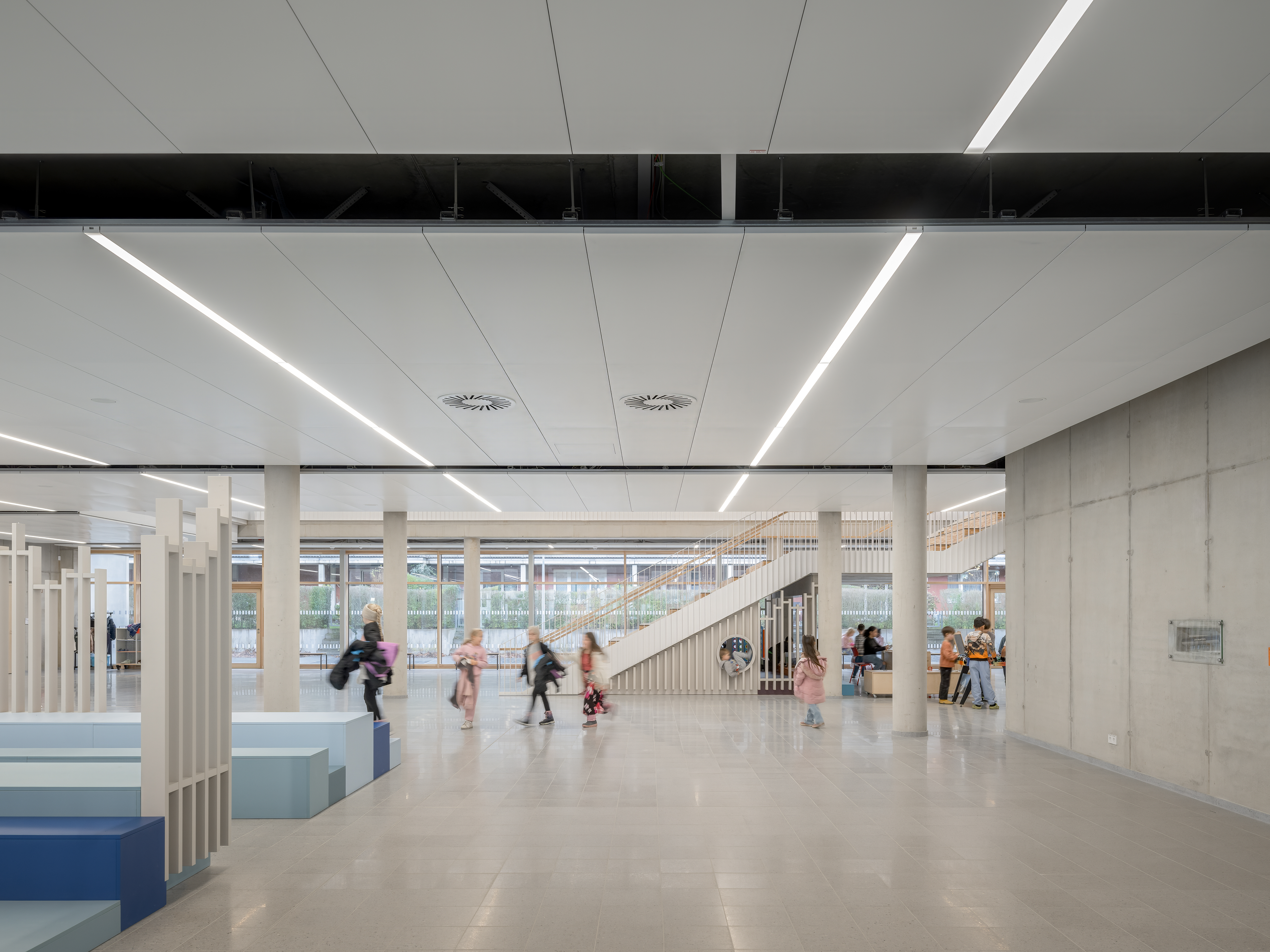
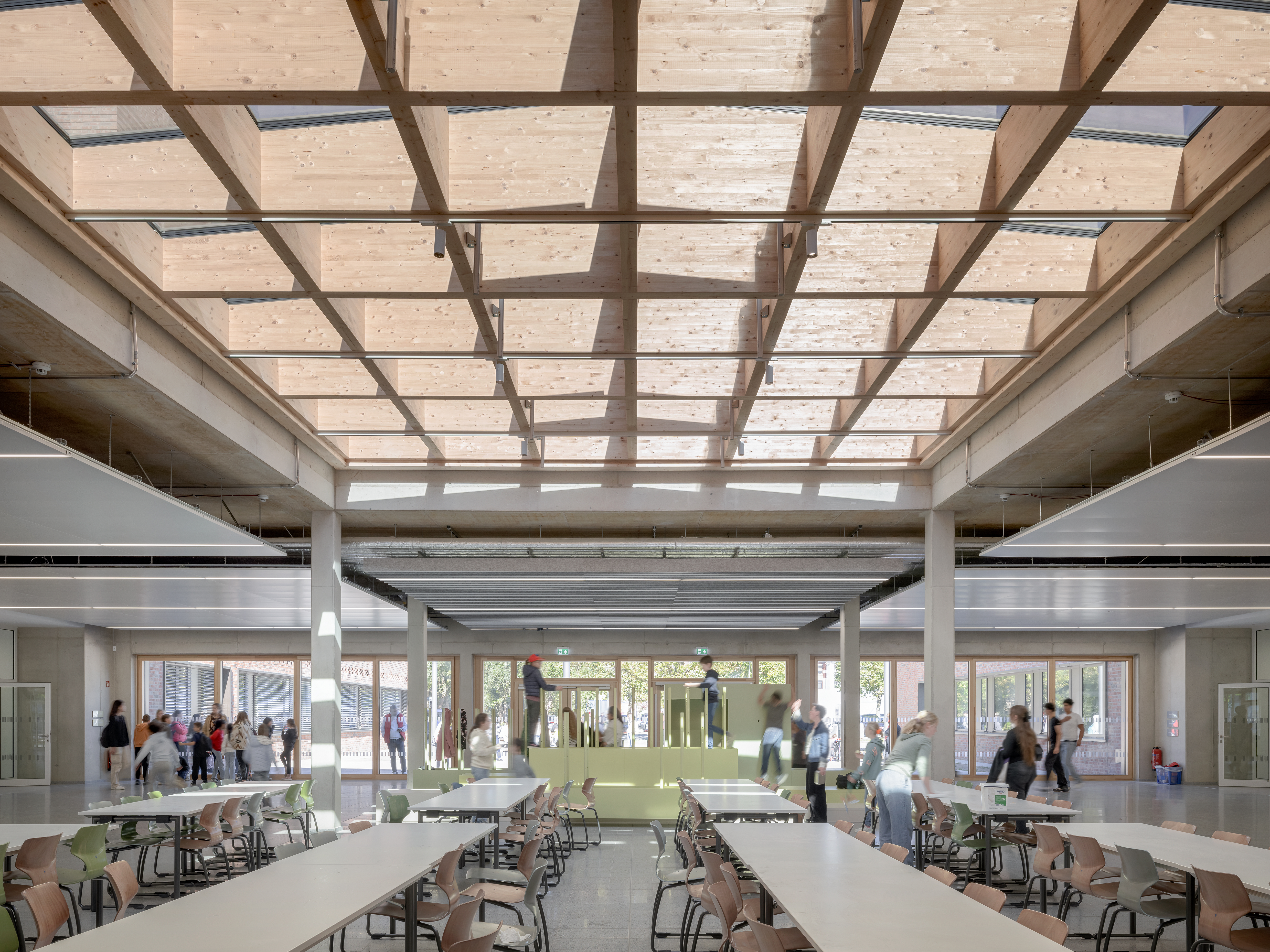
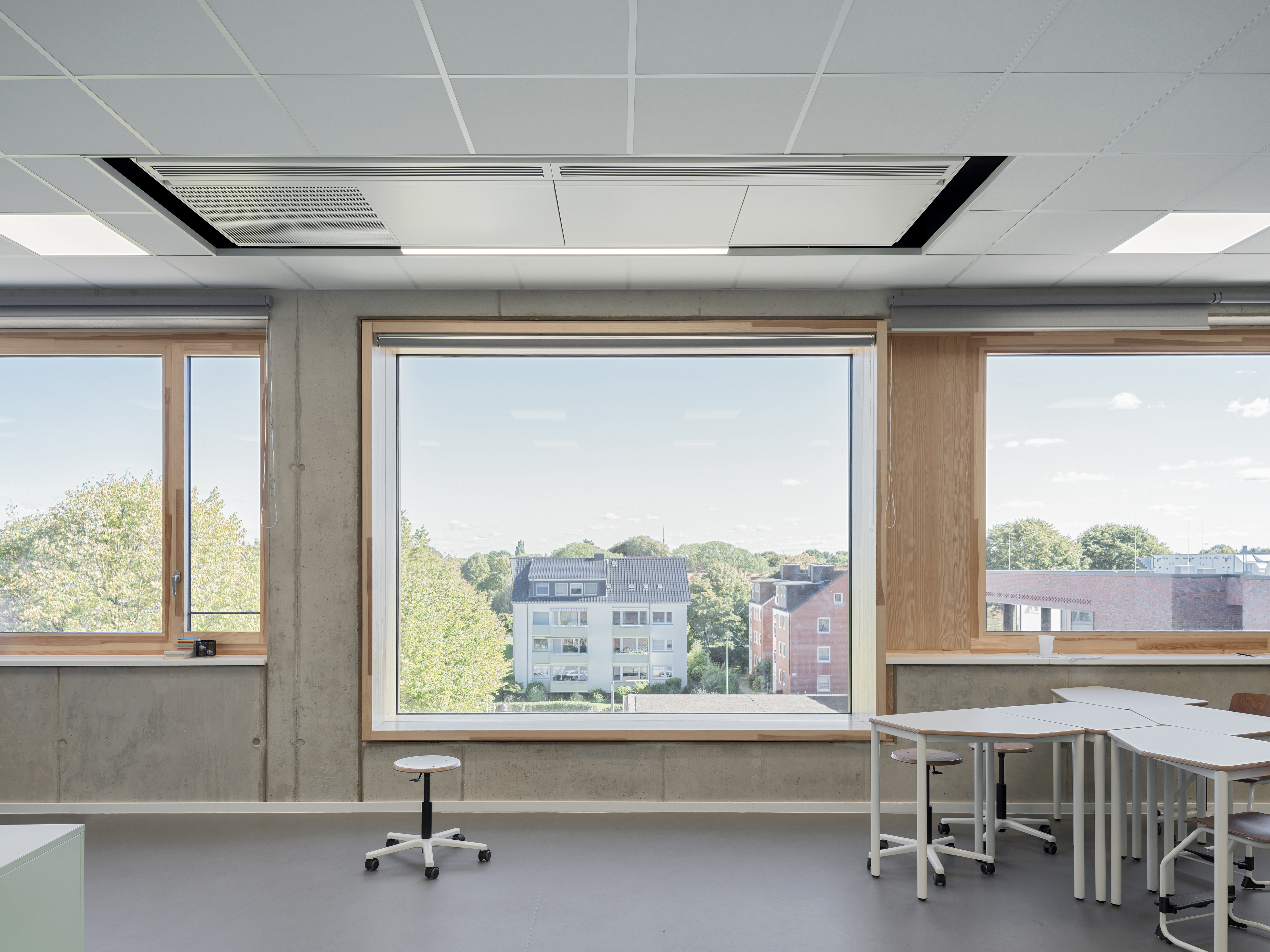
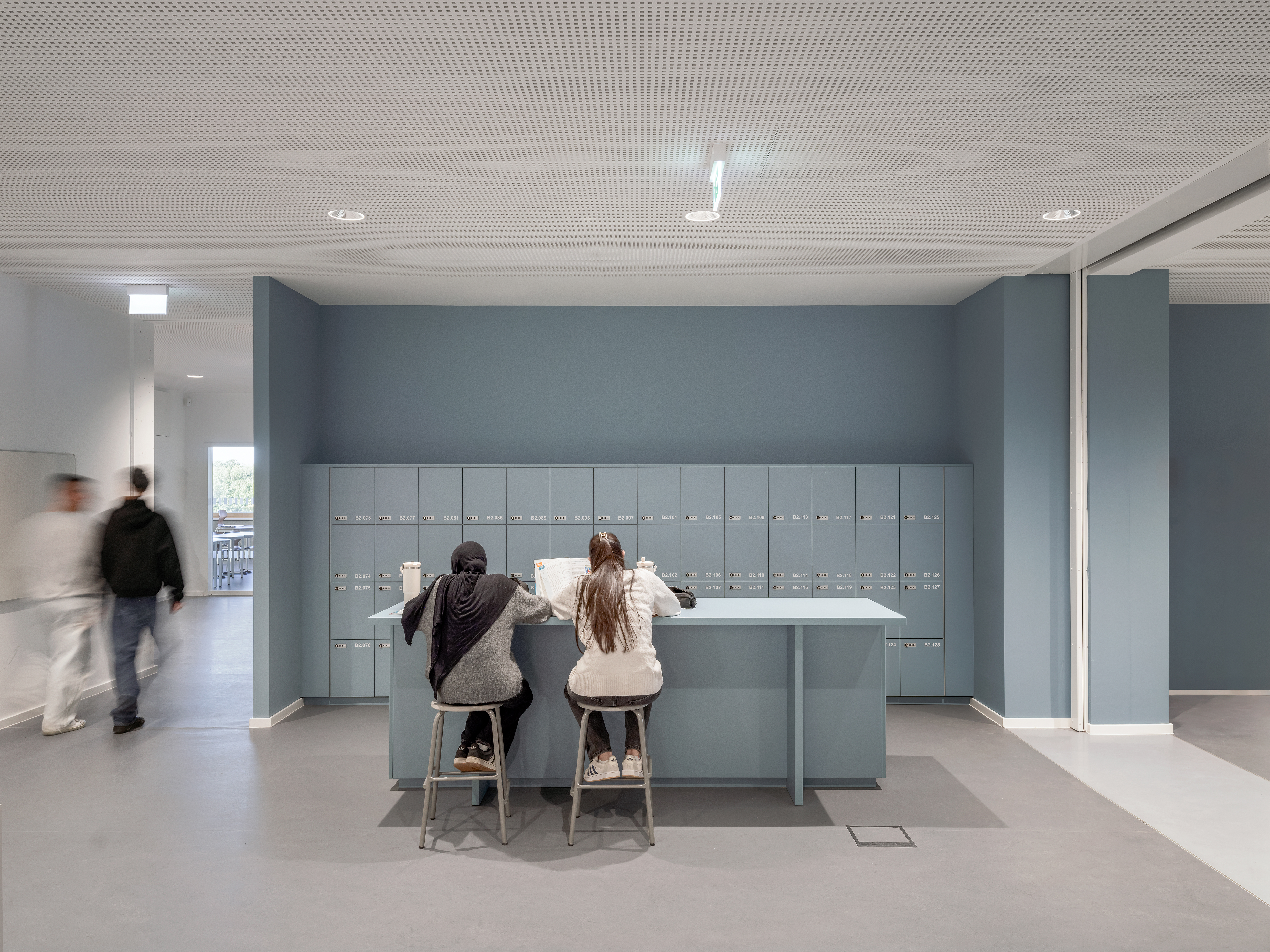
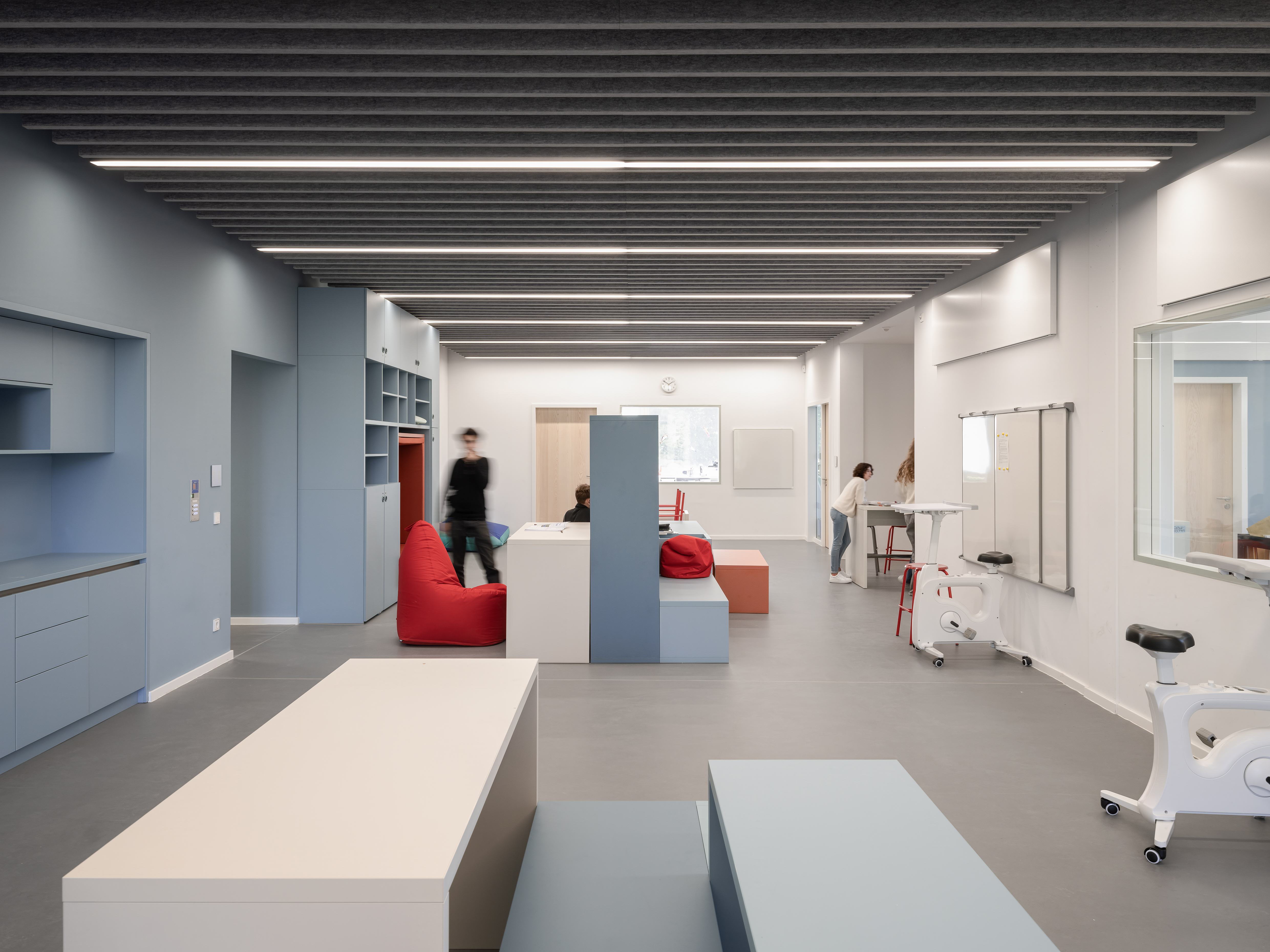
The cluster schools are designed as individual learning landscapes that respond to the diverse needs of pupils. Spacious classrooms, open learning areas and dedicated music and creative rooms enable learning that goes well beyond traditional teacher-centred instruction. Two modern sports halls complement the educational concept, providing space for physical activity, team spirit and sport.
A key success factor in ensuring the project was delivered on time and efficiently was the use of Integrated Project Alliance (IPA). This collaborative contractual and organisational model is based on the early involvement of all project participants, transparent processes, and shared responsibility for costs and outcomes. Opportunities and risks are not managed in opposition to one another but are jointly assumed, helping to reduce conflicts of interest and effectively limit cost risks.
As one of the first major building construction projects in the public sector in Germany to be realised using the IPA model, a total of eight alliance partners worked in close collaboration. The clear focus on shared project objectives, a defined cost model with built-in risk limitation, and open communication formed the basis for a high level of execution quality and reliable adherence to schedules.
The Lindner Group made extensive use of Building Information Modelling (BIM) and virtual building models to optimally integrate planning, coordination and communication. All project participants – architects, engineers, building services specialists and public authorities – worked within a shared 3D model, significantly reducing planning errors and enabling faster decision-making.
In addition, project management processes were optimised through Lean Methods and the digital planning tool Metronom, developed by Lindner –ensuring an efficient, transparent and schedule-compliant construction process. Lindner led planning workshops, structured communication and maintained project schedules, initiating corrective measures at an early stage in the event of deviations and preparing decision templates accordingly.
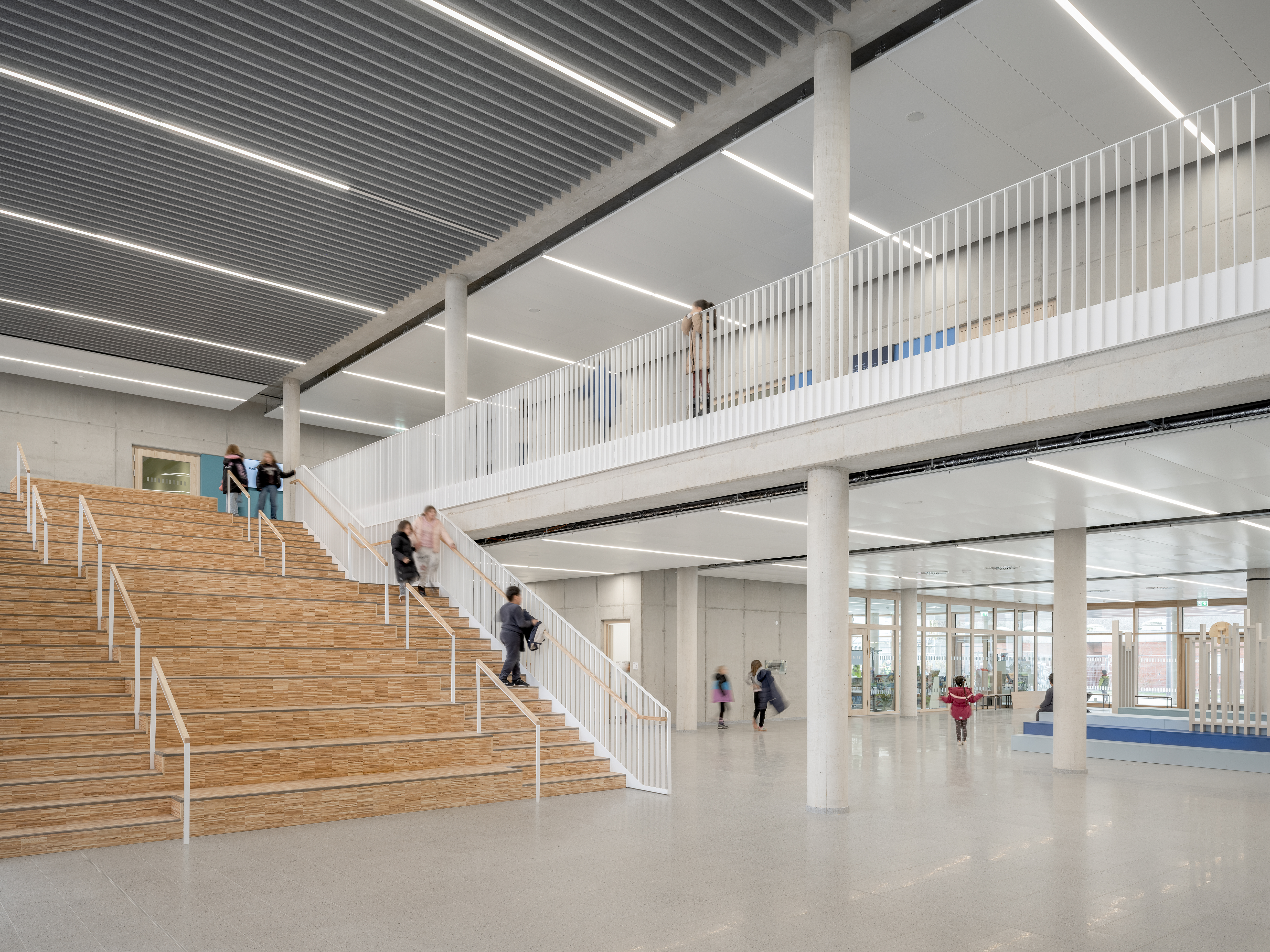
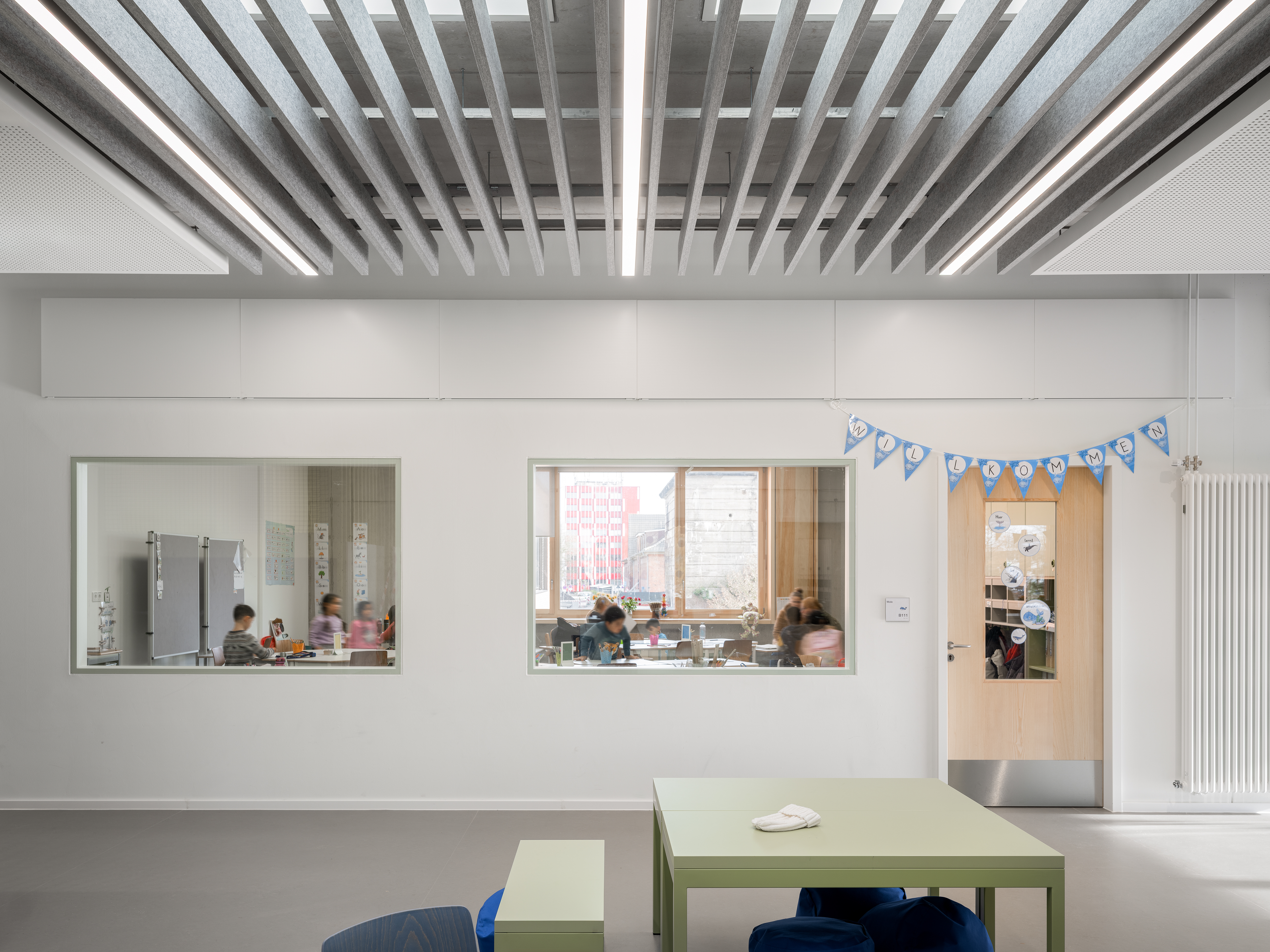
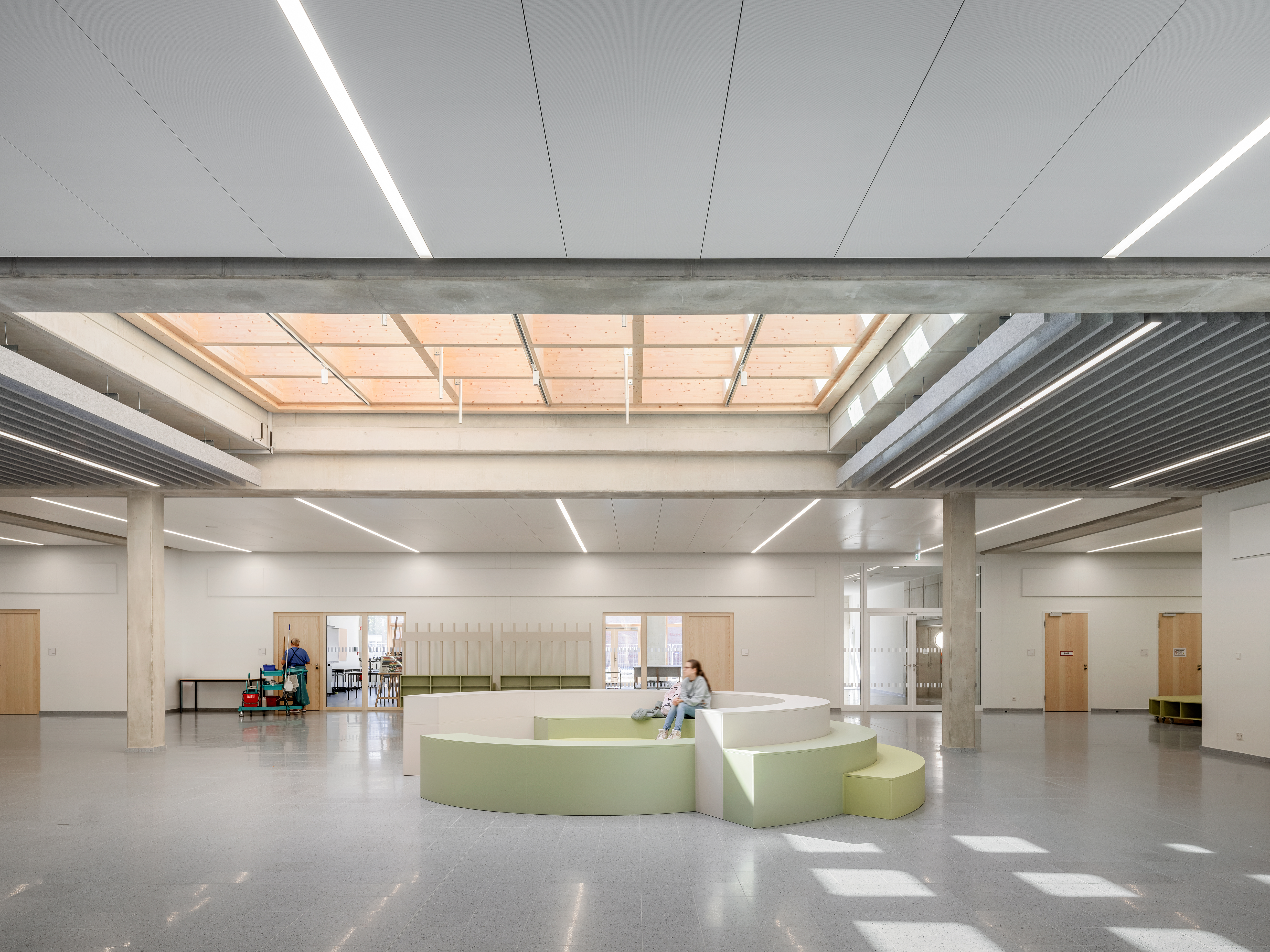
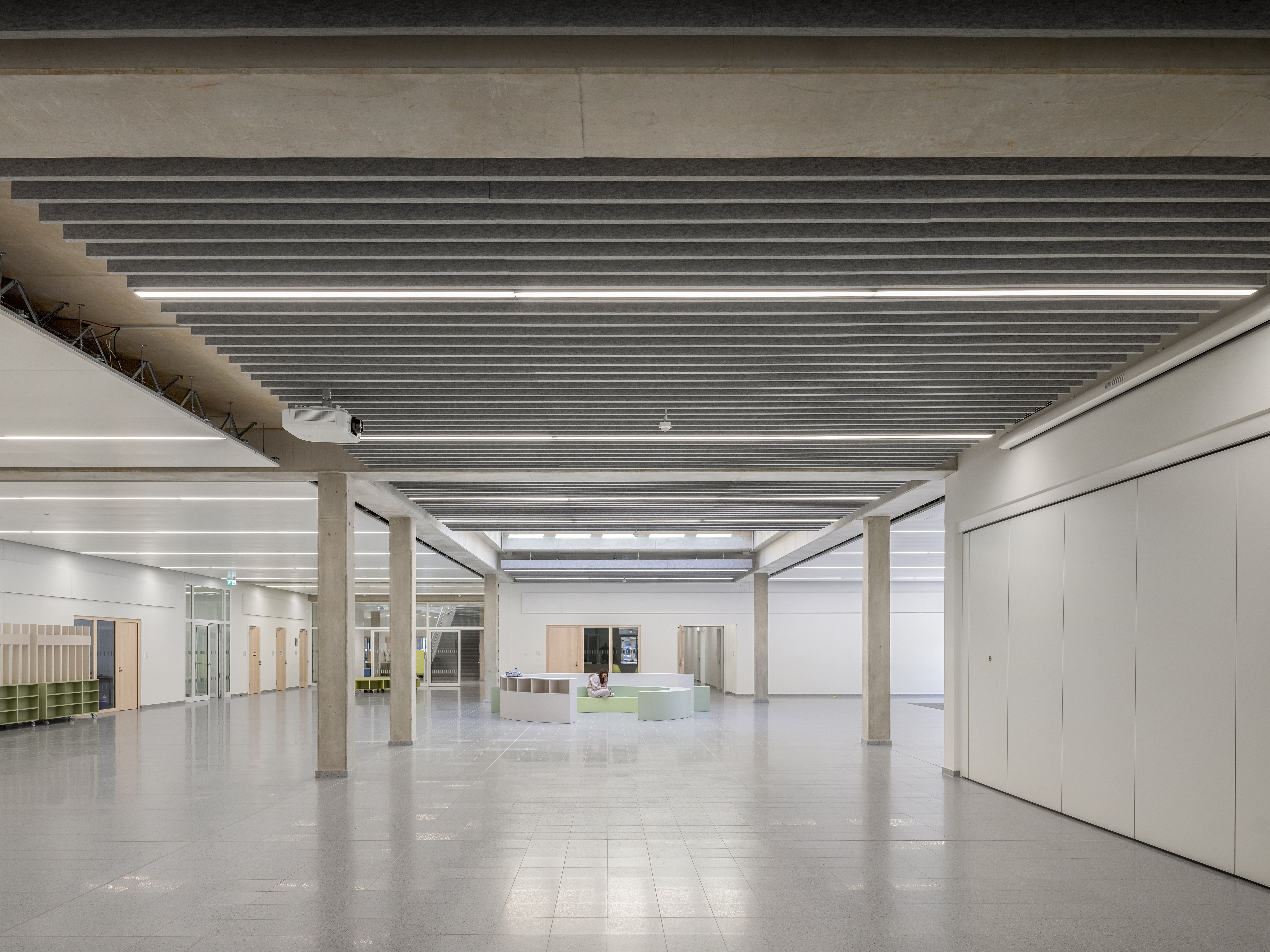
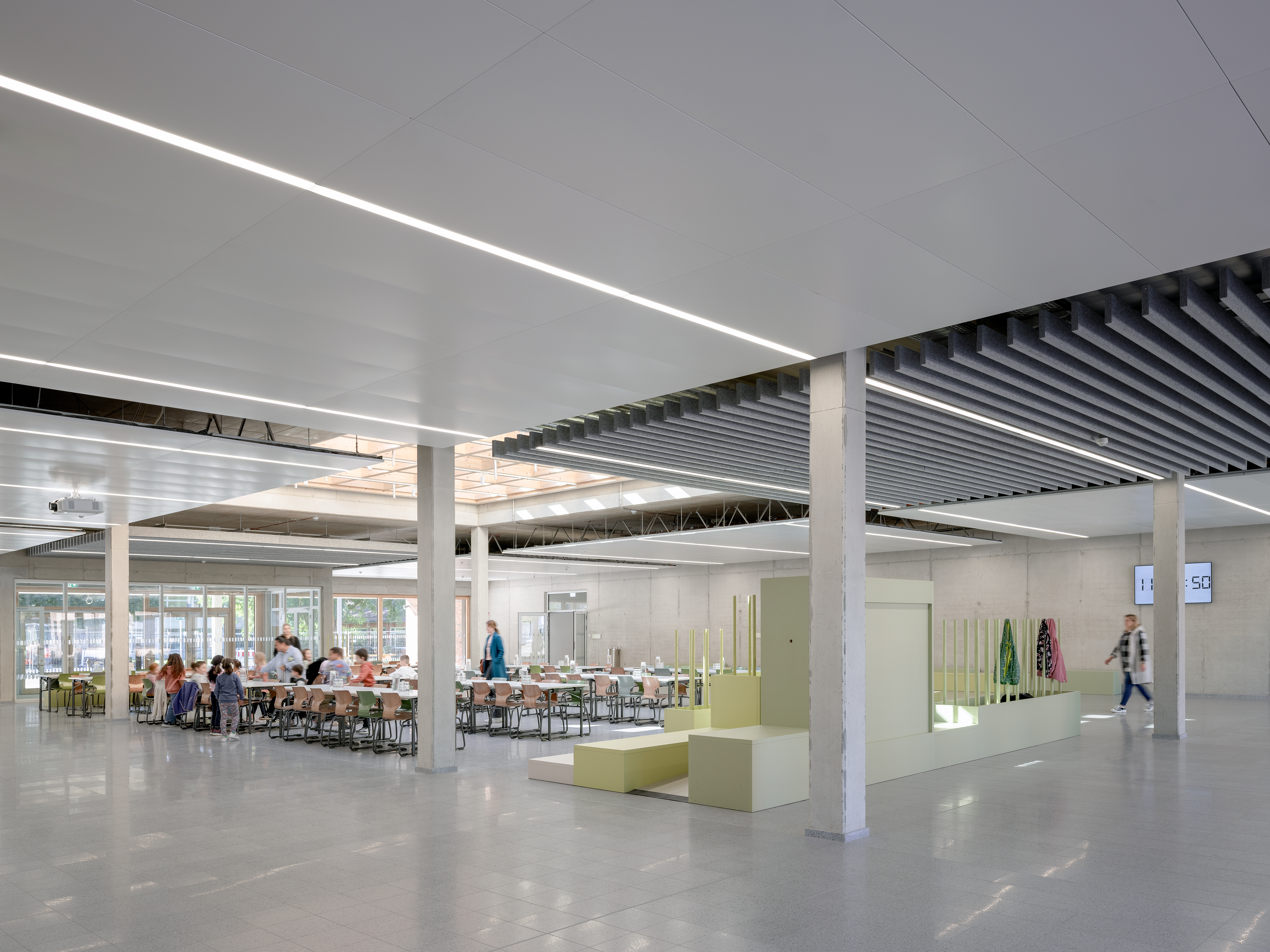
For the interior design, Lindner focused on flexible, functional and high-quality aesthetic solutions. LMD-E 200 suspended ceilings as well as MUTE+® acoustic ceiling canopies and baffle ceilings made from polyester were installed in classrooms, open learning areas and corridors. These ceiling systems not only enhance acoustic performance but also create a modern, appealing interior design and are 100 % recyclable.
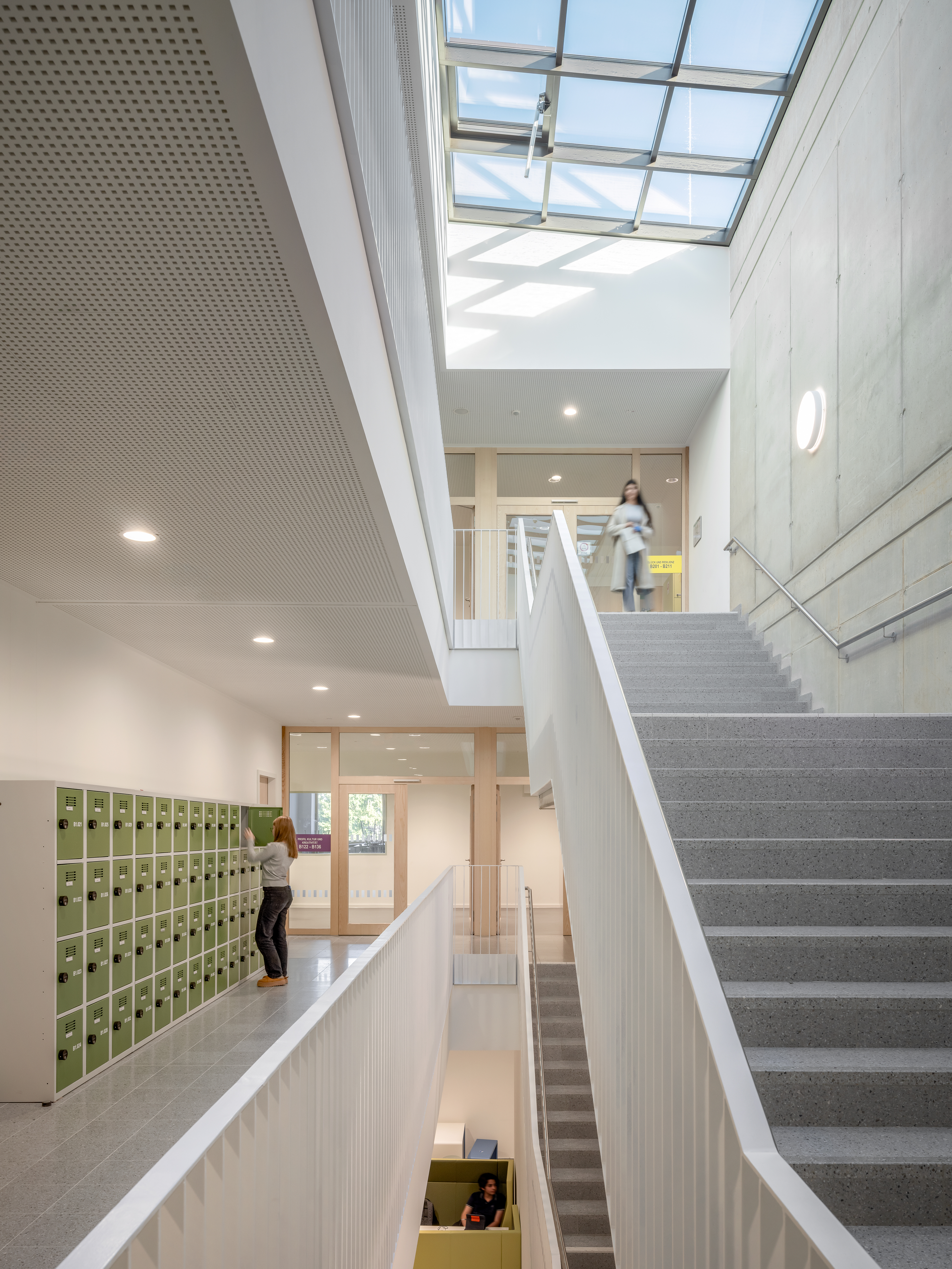
Transparent spatial structures were created using glass partition walls from the Lindner Life 125 and 126 systems, which promote openness while still allowing effective zoning. In addition, flush-mounted drywall glazing (Planum Type 1) ensures high levels of daylight while also meeting stringent fire safety and acoustic requirements. Further Lindner Plus Acoustic metal wall panels improve acoustics in the learning areas and contribute to a calm, learner-friendly atmosphere.
High-quality timber doors and bespoke joinery complete the interior design, underlining the project’s high-quality standards. Furniture tailored specifically to the respective room concepts combines functionality, ergonomics and design to create a coherent overall aesthetic.
In the classrooms, highly efficient glare-controlled recessed panel luminaires were installed in both dimmable and non-dimmable versions, complemented by pendant lights with micro-prismatic diffusers to create targeted lighting accents. Kitchen areas were fitted with recessed luminaires featuring a higher protection rating, optimally suited to the demands of humid environments.
Open learning areas and corridors were equipped with system luminaires for metal suspended ceilings and for the MUTE+® ceiling systems. In the music rooms, dimmable PL 1 light channels provide uniform light distribution, while downlights in ancillary rooms and corridors ensure consistently comfortable lighting conditions. The stairwells were equipped with impact-resistant surface-mounted luminaires as well as integrated emergency lighting, ensuring safe and reliable illumination at all times. Lindner Group lighting solutions combine energy efficiency, functionality and contemporary design.
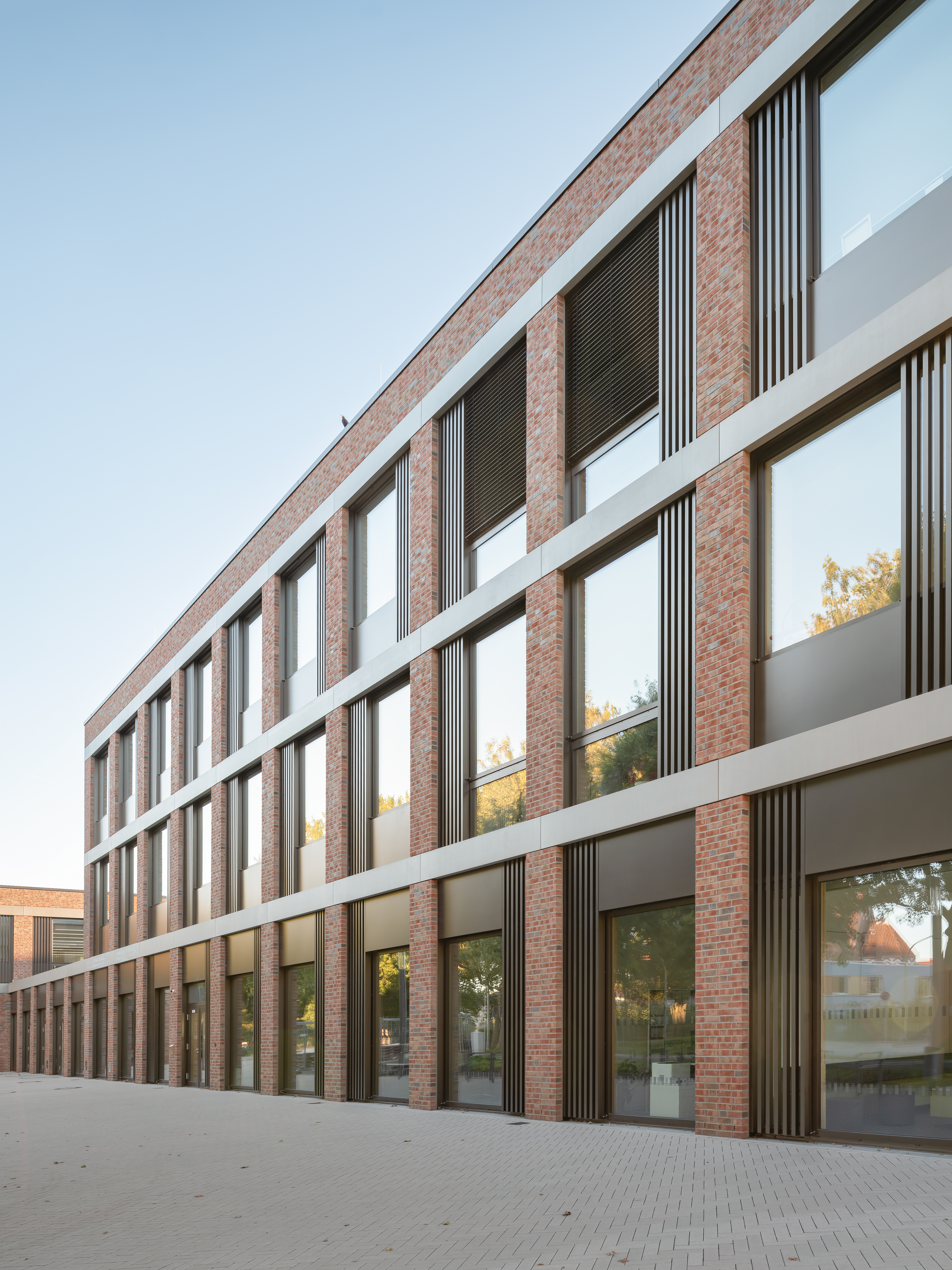
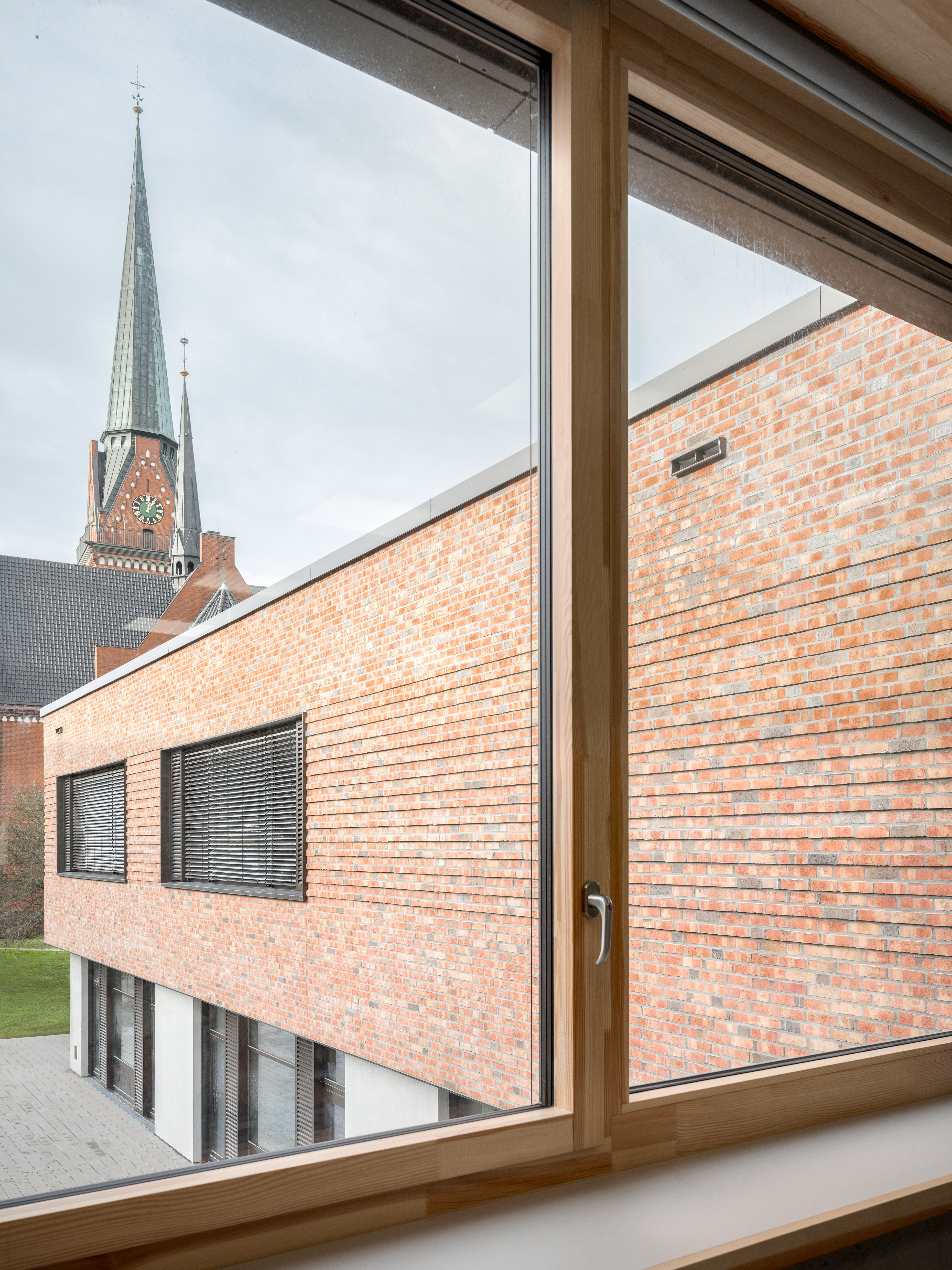
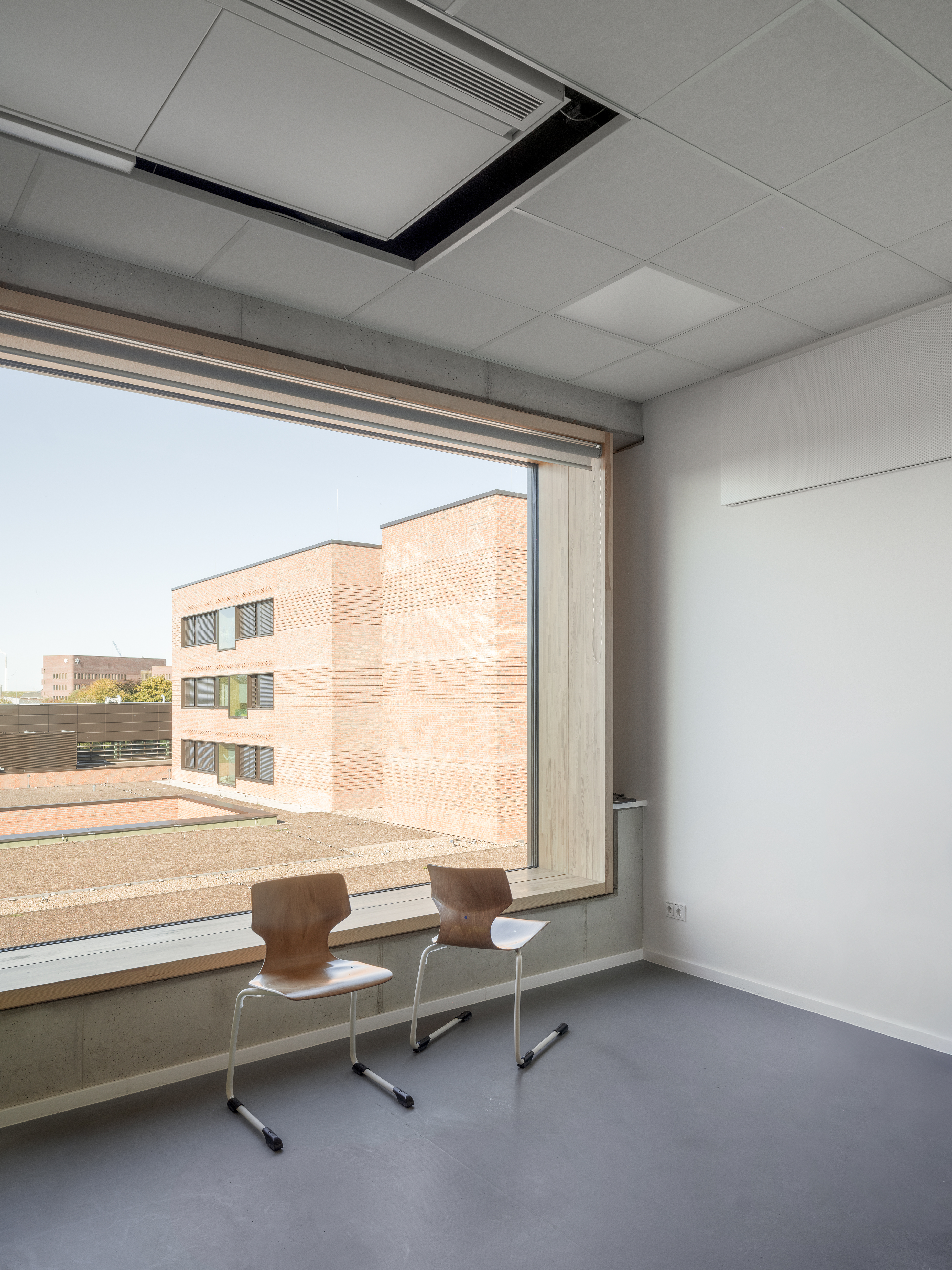
The facades of the schools and sports halls were also designed and delivered by Lindner. Timber–aluminium windows and entrance doors, combined with powder-coated aluminium reveals and framing profiles, ensure long-term durability as well as a modern, timeless appearance. In addition, selected facades feature GFRC cladding at floor level and ceiling soffit linings made of aluminium panels.
In front of the continuous ribbon windows of the sports halls, a fixed solar shading system made of aluminium profiles was installed. This allows for maximum penetration of natural daylight while simultaneously reducing solar heat gain. The sports halls themselves are clad in insulated aluminium panels. Entrance areas and ancillary rooms are likewise fitted with timber–aluminium window and door elements, integrating harmoniously into the overall architectural concept.
The Lindner Group also took on the coordination of the entire building services engineering scope. This included sanitary installations, heating supply and ventilation systems, air-handling systems, high-voltage electrical installations, telecommunications and IT systems, lift installations and building automation, with the sanitary, heating, and ventilation works carried out by Lindner’s own installation teams. All technical systems were seamlessly integrated into the construction process to ensure reliable operation and long-term functional performance of the schools.
Lindner was actively involved in all phases of the IPA project planning process. Before construction began, project requirements were defined, and the building project application was prepared and approved. During the design and execution planning phases, technical solutions were elaborated in detail and fully prepared for implementation.
In addition to professional consulting, Lindner provided extensive planning services during the execution phase, including detailed planning and enrichment of the building model with relevant information. The coordinated interplay of design, execution, and installation planning helped avoid duplicate work, accelerate the planning process, and optimize overall project efficiency.
Project: Fit-out 3 Schools Bremerhaven
Building Type: Schools, Public and institutional buildings
Address: Melchior-Schwoon-Straße 2
Zip/City: 27576 Bremerhaven
Country: Germany
Completion: from 2021 to 2025
Company: Lindner SE | Building services engineering, Lindner SE | Fit-Out North.Northwest Germany, Lindner Building Envelope GmbH, Lindner SE | Interior Fit-Out and Furnishings
Architect: gmp Architekten von Gerkan, Marg und Partner
Client: Städtische Grundstücksgesellschaft mbH unterstützt durch Bremerhavener Gesellschaft für Investitionsförderung und Stadtentwicklung mbH
Specialist Planner for supporting Structure: WTM Engineers GmbH
Specialist Planner HVAC: Pfeil und Koch Ingenieurgesellschaft GmbH & Co. KG
Execution of extended shell construction: Aug. Prien Bauunternehmung GmbH & Co. KG
IPA-Coaching: Lumico GmbH
BIM Consulting: DT BAU Consulting GmbH
General Contracting
Sound absorber
Furniture
Joiner work
Partitions
Additional Equipment- Lindner Plus
Partition Systems Glass
Doors
Ceilings
Hook-On Ceilings
Luminaires
Light channels
15 Pcs.
System luminaires for metal ceilings
656 Pcs.
2074 Pcs.
Surface mounted luminaires for walls / ceilings
118 Pcs.
Downlights
543 Pcs.
Building services engineering
Heating supply systems
Ventilation systems
Communication and information technology systems
Lift systems
Building automation system
Sanitary systems
Facades
Lean Construction Management